Aluminum Foundry: Increasing Vessel Longevity
Wiki Article
A Check out the Future: Fads Forming the Future Generation of Light Weight Aluminum Foundries
The light weight aluminum foundry market bases on the verge of substantial modification. Automation and advanced modern technology pledge to improve production processes. Sustainability methods are coming to be vital to fulfill ecological standards. As customization demands increase, the requirement for adaptability in producing grows. Joint initiatives with technology companions might drive advancement. These emerging fads suggest an essential change waits for. What chances and difficulties exist ahead for aluminum foundries in this developing landscape?The Increase of Automation in Light Weight Aluminum Foundries
The combination of automation in light weight aluminum foundries is reshaping the industry landscape. As suppliers adopt advanced modern technologies, procedures commonly reliant on manual labor are coming to be significantly automated. This change not only improves manufacturing performance yet likewise minimizes human mistake, causing an extra constant item top quality. Robotics and man-made knowledge systems are being made use of for tasks such as mold prep work, putting, and completing, improving procedures and reducing preparations.Automation helps with the collection and analysis of information, allowing shops to enhance their procedures continually. Anticipating upkeep powered by sensing units assists in anticipating devices failings, resulting in decreased downtime. The labor force is likewise evolving, as workers are adapting into functions that require oversight of automated systems, concentrating on higher-level analytical and innovation. Generally, the rise of automation in light weight aluminum foundries stands for a significant evolution, placing the sector for improved performance and competition in a rapidly transforming market.
Accepting Sustainability Practices
Light weight aluminum shops are significantly taking on sustainability techniques to resolve environmental issues. Trick campaigns focus on recycling and reuse of materials, together with technologies targeted at boosting energy effectiveness. Aluminum Casting. These efforts not only lower waste however also add to a more sustainable production procedureReusing and Reuse Initiatives
A considerable shift towards sustainability is improving the landscape of aluminum shops, with many adopting innovative recycling and reuse campaigns. This activity stresses the value of reducing waste and maximizing resource effectiveness. Foundries are significantly executing closed-loop systems, enabling scrap light weight aluminum generated during production to be recycled and rehabilitated into the production cycle. Furthermore, partnerships with local recycling centers promote the collection of post-consumer light weight aluminum, further sustaining lasting techniques. By making use of innovative sorting modern technologies and recycling approaches, these factories boost the quality of recycled products, guaranteeing they meet industry requirements. Generally, these efforts not just lower ecological effect yet also add to set you back savings, positioning light weight aluminum shops as leaders in sustainable manufacturing within the metal industry.Energy Effectiveness Innovations
Many aluminum shops are welcoming energy effectiveness advancements as part of their sustainability practices. These developments consist of the assimilation of sophisticated innovations such as automation, expert system, and power administration systems. By optimizing manufacturing processes, shops can noticeably lower energy intake while maintaining result quality. In addition, many are purchasing sustainable power resources, such as solar and wind, to power their operations, even more lowering their carbon footprint. The usage of energy-efficient heating systems and reusing heat created throughout production is additionally ending up being commonplace. These techniques not only add to ecological sustainability however additionally result in cost savings for foundries. As the market develops, the dedication to power effectiveness will likely play an essential role in forming the future of aluminum manufacturing.The Influence of Expert System
As the aluminum shop sector develops, the combination of fabricated knowledge (AI) is becoming increasingly significant. AI innovations are changing manufacturing processes by boosting operational efficiency and reducing waste. Anticipating analytics, powered by AI, permits foundries to predict potential devices failures, making it possible for positive maintenance and decreasing downtime. Furthermore, AI-driven algorithms enhance casting layouts, resulting in boosted material use and enhanced product top quality.AI facilitates real-time monitoring of manufacturing parameters, allowing immediate adjustments to maintain excellent conditions. This flexibility not only improves product uniformity yet also supports energy-efficient methods. By analyzing substantial quantities of data, AI can identify patterns and understandings that human operators could overlook, driving constant enhancement. As these technologies come to be a lot more available, the aluminum factory market is poised to take advantage of AI to achieve greater precision and advancement, ultimately forming a much more lasting and competitive future in production.
Additive Manufacturing Innovations
Additive manufacturing is quickly changing aluminum factories by improving style capabilities and making it possible for much more intricate geometries. This advancement not just enables for greater creative thinking in product growth yet additionally promotes cost-effective manufacturing methods. As these technologies evolve, they assure to redefine typical production procedures in the market.Enhanced Layout Capacities
Advancement in design capacities has changed the landscape of aluminum foundries, specifically through the assimilation of additive manufacturing innovations. This advancement permits for greater versatility in making complex geometries that were previously unattainable with typical methods. Factories can currently create light-weight frameworks optimized for efficiency and capability, decreasing product waste and enhancing power effectiveness. Additionally, the rapid prototyping abilities of additive manufacturing allow quicker versions and refinements, fostering technology in product growth. Partnership between layout designers and shop service technicians has also been strengthened, causing much more efficient communication and enhanced final items. As these modern technologies remain to evolve, the potential for customized solutions customized to details applications will better redefine the future of light weight aluminum foundries.Affordable Production Approaches
Arising trends in economical manufacturing techniques have actually transformed the light weight aluminum shop sector, particularly through improvements in additive production. This innovation allows the quick manufacturing of complex geometries with lowered product waste, considerably decreasing prices. By making use of 3D printing techniques, factories can develop elaborate components that standard methods battle to achieve, improving layout adaptability. Additionally, additive manufacturing enhances prototyping procedures, enabling quicker iterations and faster time-to-market. These technologies not just maximize manufacturing efficiency but likewise add to sustainability efforts by minimizing scrap. As light weight aluminum foundries increasingly adopt these methods, they position themselves to fulfill growing demand while keeping affordable pricing, eventually changing the landscape of aluminum production.Enhancing Quality Assurance Procedures
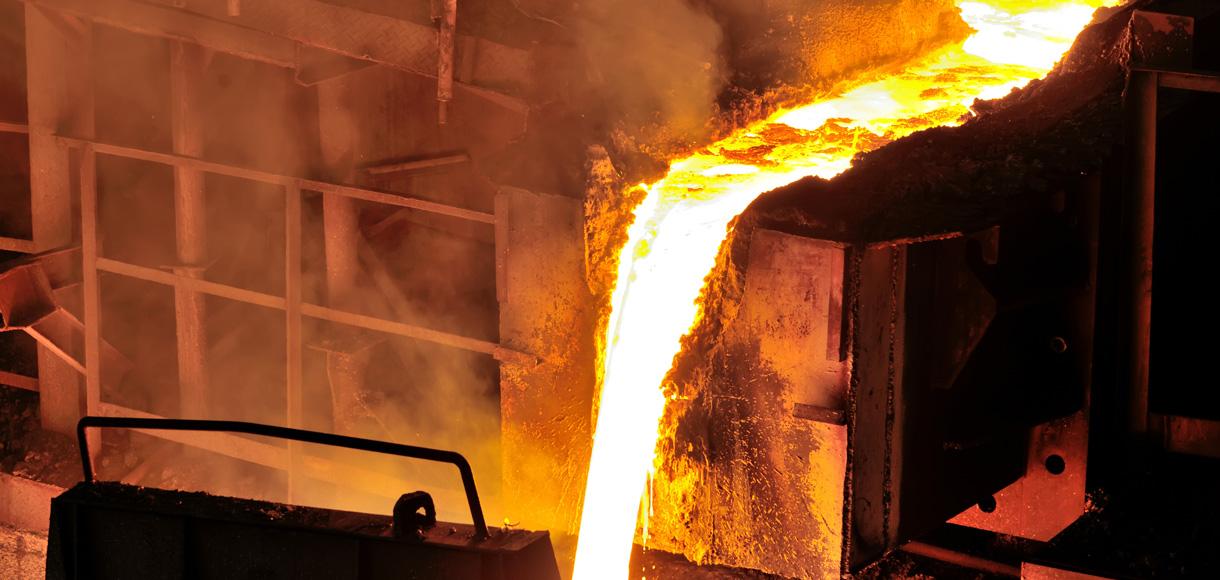
Many foundries are implementing standard operating treatments and rigorous testing methods. By fostering a society of responsibility and continuous enhancement, they intend to reduce variants in production high quality. Educating programs for staff members are additionally being focused on to secure that personnel are well-versed in high quality assurance techniques. Eventually, these improved top quality control measures not just enhance item integrity but also bolster the online reputation of aluminum shops in a competitive marketplace, leading the way for long-term success and sustainability.
The Change Towards Customization and Adaptability
As aluminum factories improve their quality control steps, they are likewise responding to a boosting demand for personalization and adaptability in manufacturing - Metal Foundry. This change is driven by progressing customer choices and the requirement for specialized items across various markets. Shops are adjusting their processes to accommodate lower volume runs and tailored designs, enabling them to satisfy details customer needs a lot more efficiently. Advanced modern technologies, such as additive production and computer-aided layout, are promoting this makeover by enabling for quick prototyping and modifications, consequently minimizing lead times. Furthermore, the integration of clever production methods enhances the adaptability of production lines, enabling factories to pivot promptly in feedback to market adjustments. The focus on customization not just enhances client contentment but additionally settings factories to stay affordable in a dynamic market landscape, leading the method for innovation and diverse product offerings in the light weight aluminum fieldCooperations and Partnerships in the Sector
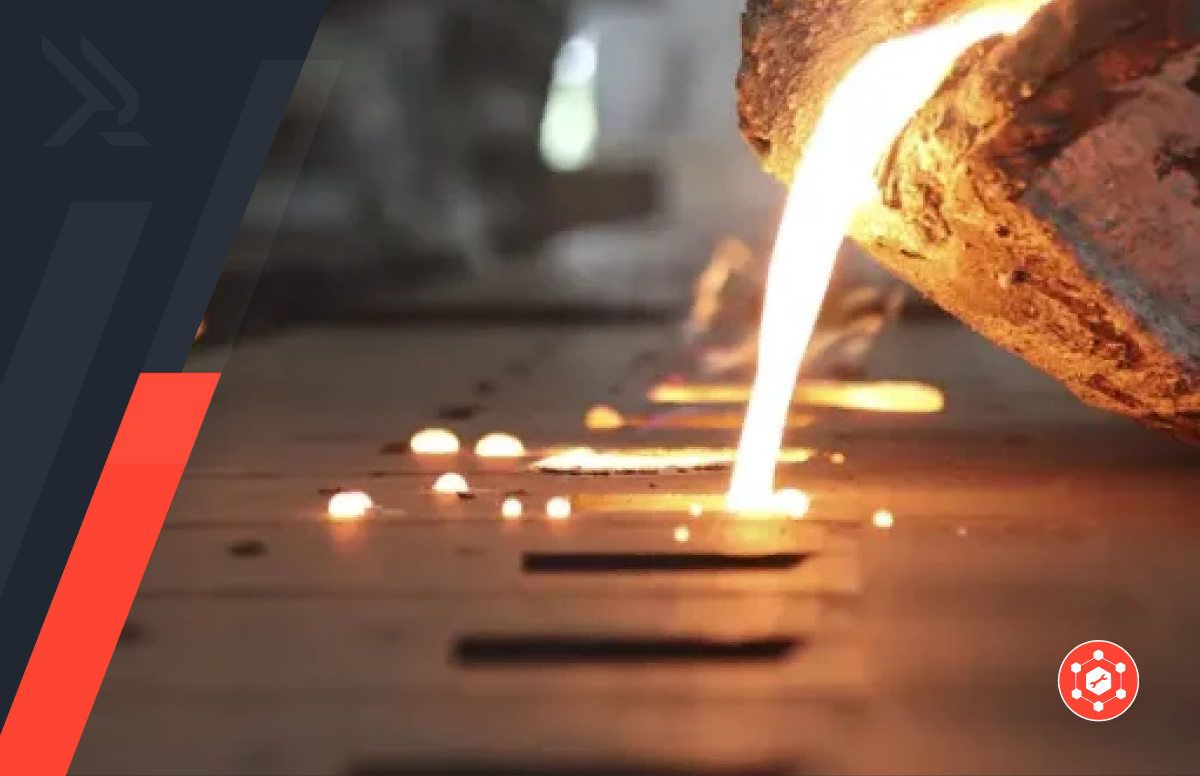
Furthermore, collaborations with research organizations assist in the development of lasting methods and new alloys, resolving ecological worries and regulative needs. These collaborations also help in understanding sharing, enabling firms to embrace ideal methods and quickly carry out technological innovations.
In addition, tactical alliances with distributors assure a secure supply chain for raw materials and promote price efficiencies. As the sector encounters challenges such as labor lacks and raising competitors, these cooperations are critical in driving growth and innovation. By collaborating, aluminum foundries can much better browse the intricacies of the marketplace and attain long-lasting success.
Frequently Asked Questions
What Are the Preliminary Expenses of Automating a Light Weight Aluminum Foundry?
The initial prices of automating an aluminum foundry can range significantly, usually between hundreds of thousands to a number of million dollars, relying on the degree of automation, equipment high quality, and particular functional demands of the facility.Exactly How Can Little Shops Adopt Sustainable Practices Properly?
Small factories can embrace lasting practices effectively by carrying out energy-efficient innovations, recycling scrap materials, maximizing processes to lower waste, and utilizing eco-friendly products, cultivating a culture of sustainability amongst employees with training and recognition efforts. Aluminum Foundry.
What Role Does Data Safety And Security Play in AI Applications?
Data security is essential in AI applications, making certain the defense of sensitive information, preserving user trust, and avoiding unapproved accessibility. By implementing robust protection measures, organizations can guard information honesty and maintain conformity with laws.How Will Ingredient Manufacturing Affect Standard Casting Techniques?
Additive manufacturing will certainly boost typical spreading methods by enabling much more intricate geometries, reducing product waste, and reducing manufacturing times. This combination might cause a hybrid strategy, optimizing performance and Metal Foundry broadening design possibilities in production.What Skills Will Be The Majority Of in Need in Future Aluminum Foundries?
In future aluminum foundries, abilities in additive manufacturing, information analysis, automation, and sustainability practices will be extremely important. Employees efficient in environmentally-friendly procedures and advanced innovations will certainly be in high demand, driving market technology and efficiency.Factories are increasingly executing closed-loop systems, enabling scrap aluminum created during production to be reprocessed and reintegrated right into the production cycle. Additive production is quickly transforming aluminum shops by improving style capabilities and making it possible for a lot more intricate geometries. Technology in layout capabilities has actually changed the landscape of aluminum factories, specifically via the assimilation of additive production technologies. Arising fads in affordable production approaches have revolutionized the aluminum foundry field, especially via developments in additive production. As aluminum shops enhance their quality control procedures, they are also reacting to an enhancing need for customization and adaptability in production.
Report this wiki page